
Stress is an unavoidable part of life. Whether it’s a deadline at work, family responsibilities, or unexpected challenges, stress can creep in and wreak havoc. But did you know that stress doesn’t just affect your mood or energy levels? It can also take a toll on your skin. From sudden breakouts to redness and sensitivity, stress-related skin issues are real, and hormones like cortisol are often the culprits.
Here’s a breakdown of how cortisol triggers skin trouble and what you can do to keep your complexion happy.
The Role of Cortisol in Skin Health
Cortisol, often called the “stress hormone,” is released by your adrenal glands when you’re feeling stressed. You can think of it as your body’s alarm system. It helps you deal with threats by increasing energy and focus. While cortisol serves an important function in short bursts, long-term or chronic stress keeps this hormone elevated, and that’s when problems arise.
When cortisol levels stay high, your body prioritizes managing stress over other processes, including optimal skin function.
Here’s how this can impact your complexion:
Acne Breakouts
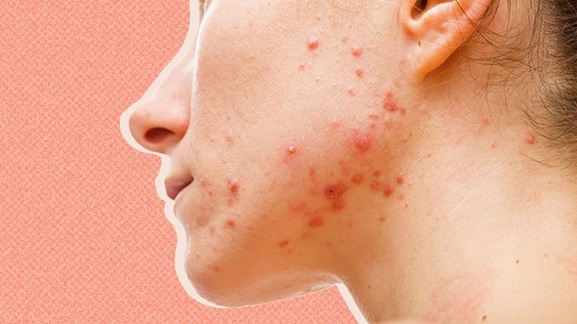
Elevated cortisol signals your body to produce more oil (sebum) as part of its stress response. Excess oil can clog pores, leading to acne. You may notice this as “stress breakouts” during particularly demanding times.
Inflammation
Chronic stress can spark systemic inflammation, thanks to cortisol. This inflammation can make skin conditions like eczema, psoriasis, and rosacea worse. It also contributes to dullness and uneven skin tone over time.
Weakened Skin Barrier
Cortisol affects your skin barrier by reducing its ability to retain moisture. This leads to dryness, irritation, and heightened sensitivity. The skin becomes more vulnerable to environmental aggressors, such as pollution and UV rays, potentially leading to more damage.
Slow Healing
Stress slows down the skin’s ability to heal wounds. Cuts, acne marks, or irritation from treatments may take longer to fade when cortisol is high.
Premature Aging
Cortisol breaks down collagen and elastin, the proteins that keep your skin firm and youthful. Over time, this accelerates the formation of fine lines, wrinkles, and sagging skin.
Tips to Combat Stress and Protect Your Skin
The good news is there are simple ways to manage stress and minimize its effects on your skin.
Here are a few steps to get started:
Practice Mindfulness and Relaxation
Techniques like meditation, yoga, and deep breathing help lower cortisol levels. Even spending five minutes a day on mindful breathing can calm your system and reduce stress-related skin issues.
Get Enough Sleep
Sleep is crucial for skin repair. Aim for 7–9 hours of quality rest each night to allow your body (and cortisol levels) to reset. Poor sleep often makes stress worse, creating a cycle of skin trouble.
Exercise Regularly
Physical activity reduces cortisol while promoting circulation, which nourishes your skin with oxygen and nutrients. Even a brisk 30-minute walk can make a big difference.
Eat a Balanced Diet
Foods rich in antioxidants, such as fruits, vegetables, and nuts, combat inflammation caused by stress. Avoid excessive caffeine and sugar, which can spike cortisol levels and exacerbate acne.
Use Stress-Friendly Skincare
Look for soothing products with calming ingredients like aloe vera, chamomile, or niacinamide to reduce sensitivity. Avoid harsh cleansers or over-exfoliation, which can aggravate stressed skin.
Take Breaks
Whether it’s a quick walk outdoors or a relaxing bath, taking small breaks during a busy day helps prevent stress from building up and impacting your skin.
Connect with Loved Ones
Spending time with friends or family can boost your mood and lower stress hormones. Social support is a natural stress reliever and can help keep your skin calmer.
Conclusion
Stress affects your body in more ways than you may realize, and your skin is an obvious place where it shows up. From acne to fine lines, your stress levels can become written on your face. But with a combination of stress management, a calming skincare routine, and a little self-care, you can reduce cortisol’s impact and maintain a healthy, glowing complexion.