

Implantation bleeding is one of the earliest possible signs of pregnancy—and one of the most frequently misunderstood. Many women find themselves asking “what is implantation bleeding“ and how to distinguish it from a normal cycle. Many experience it and either don’t notice it at all, mistake it for the beginning of a period, or panic because they’re pregnant and seeing blood.
Implantation bleeding is light spotting that occurs when a fertilised egg attaches to the lining of the uterus, typically 6-12 days after conception. It is caused by minor disruption to small blood vessels in the uterine wall during implantation and affects approximately 15-25% of pregnant women.
When Does It Happen?
The timeline of implantation:
| Event | Timing |
|---|---|
| Ovulation | Day 14 of a 28-day cycle (approximately) |
| Fertilisation | Within 12-24 hours of ovulation |
| Embryo travels to uterus | Days 3-4 after fertilisation |
| Implantation begins | 6-10 days after fertilisation |
| Implantation bleeding (if it occurs) | 6-12 days after fertilisation |
| Expected period | Day 28 (14 days after ovulation) |
Because implantation happens close to when a period is expected, the two are frequently confused.
What Implantation Bleeding Looks and Feels Like
| Feature | Implantation Bleeding |
|---|---|
| Colour | Light pink or brown (sometimes rust-coloured) – rarely bright red |
| Flow | Very light – typically just spotting, enough to notice on toilet paper or a liner |
| Duration | 1-3 days; may be intermittent, not continuous |
| Clots | None – absence of clots is a distinguishing feature |
| Cramping | Mild or absent – significantly lighter than period cramps |
| Consistency | Light, consistent spotting (no “flow” that gets heavier) |
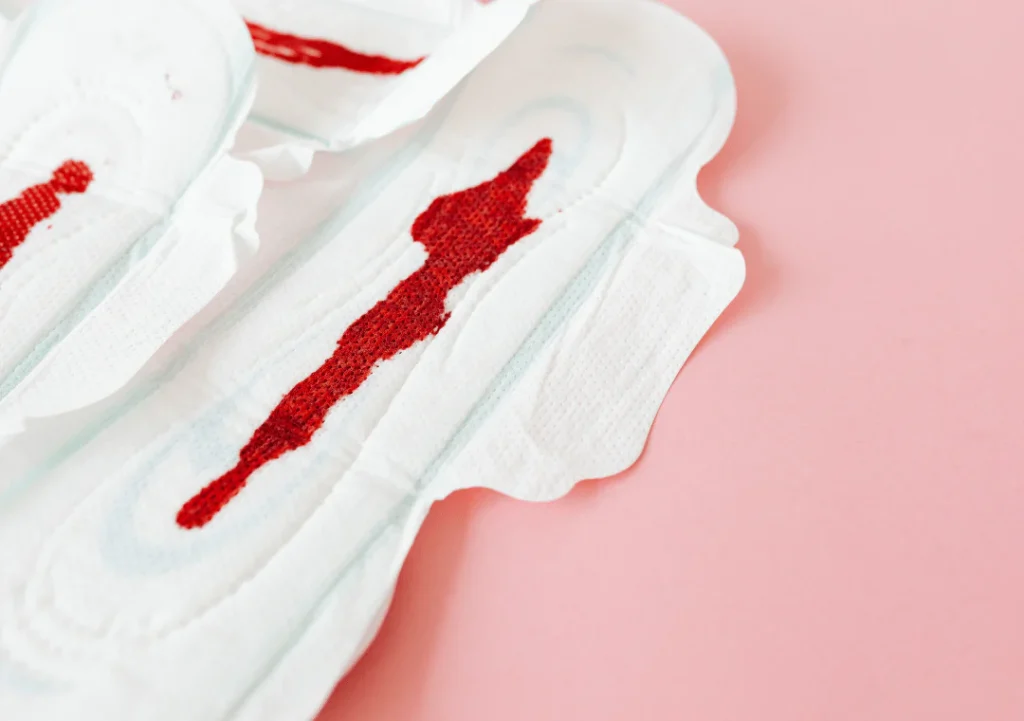
Implantation Bleeding vs. Period – How to Tell Them Apart
| Feature | Implantation Bleeding | Menstrual Period |
|---|---|---|
| Colour | Pink or brown | Bright red (deepens over time) |
| Flow volume | Extremely light (spotting only) | Moderate to heavy |
| Duration | 1-3 days | 4-7 days |
| Flow pattern | Doesn’t increase | Increases then decreases |
| Clots | None | Often present (especially day 1-2) |
| Cramping | Minimal | Moderate to severe |
| Timing | Before expected period | At expected period time |
The most reliable distinguishing features are: the colour (brown or light pink vs. bright red), the absence of clots, and the flow never getting heavier.
Why Not Everyone Gets It
Implantation bleeding doesn’t occur in every pregnancy – most pregnant women never experience it at all. Whether it occurs depends on:
- Where in the uterus the embryo implants
- How many blood vessels are disrupted during implantation
- Individual vascular anatomy
Absence of implantation bleeding is entirely normal and doesn’t indicate anything about the health of the pregnancy.
Can Implantation Bleeding Be Heavy?
No. If the bleeding is heavy enough to require a full pad or tampon, it is very unlikely to be implantation bleeding. Heavy bleeding in early pregnancy should be evaluated promptly as it may indicate:
- A threatened miscarriage
- Ectopic pregnancy (especially with one-sided pain)
- Cervical irritation from a different cause
Confirming Pregnancy After Implantation Bleeding
Implantation bleeding occurs before hCG levels are typically high enough for a home pregnancy test to detect. Testing too early gives false negatives.
Best timing for a home pregnancy test:
- Standard tests: Day of the expected period or after
- Early response tests (FRER, etc.): 10-12 days after ovulation
If implantation bleeding occurred, waiting 3-5 days before testing gives hCG levels time to rise to a detectable level.
When to See a Doctor
Seek medical advice if:
- Bleeding is heavy or bright red
- Accompanied by significant one-sided abdominal pain (possible ectopic pregnancy)
- You have a confirmed positive pregnancy test and are bleeding
- Bleeding persists for more than 3-4 days
- You experience dizziness or fainting alongside bleeding
Bottom Line
Implantation bleeding is a brief, light spotting episode that occurs around the time of implantation – roughly a week before a missed period. It is lighter, shorter, and different in colour from a typical period. While only about 1 in 4 pregnant women experience it, it’s a genuine early pregnancy sign when it does occur. If you suspect it and want to confirm, wait until your period is due (or just after) for the most reliable home pregnancy test result.