Healthy-looking skin is not about achieving perfection. For many people, it is about addressing specific concerns, such as uneven pigmentation, fine lines, acne scars, or changes in skin texture. With so many skincare products and professional treatments available, deciding where to begin can feel overwhelming.
The most effective approach is not necessarily choosing the newest procedure or following a popular beauty trend. It involves understanding your skin, identifying realistic goals, and selecting options that fit your health, comfort level, and daily routine.
Knowing what to consider before making a decision can help you approach cosmetic skincare with greater confidence.
Understand Your Skin Concerns Before Exploring Treatments
Before considering any cosmetic procedure, identify what you actually want to improve.
Different skin concerns require different approaches. A treatment designed to soften expression lines may not address pigmentation, while a procedure intended to improve surface texture might not restore lost facial volume.
Common concerns include:
- Fine lines and wrinkles: These may develop through facial movement, aging, and environmental exposure.
- Uneven pigmentation: Sun exposure, inflammation, and certain skin conditions can contribute to dark spots or discoloration.
- Acne scars: Different types of scarring may require different treatment strategies.
- Rough or uneven texture: Changes in the skin’s surface can affect its overall appearance.
- Volume changes: Natural changes in facial structure can influence contours over time.
It is also important to distinguish cosmetic concerns from medical skin conditions. Persistent redness, unusual pigmentation, or changing skin lesions may need medical evaluation before cosmetic treatment is considered.
Understanding the underlying concern helps prevent spending time and money on procedures that may not address the actual problem.
Why a Professional Skin Assessment Matters
Online skincare advice can introduce useful ideas, but it cannot replace an individualized assessment.
Skin type, medical history, medications, pigmentation tendencies, and previous treatment experiences can influence which procedures are appropriate. Two people with similar-looking concerns may benefit from different approaches.
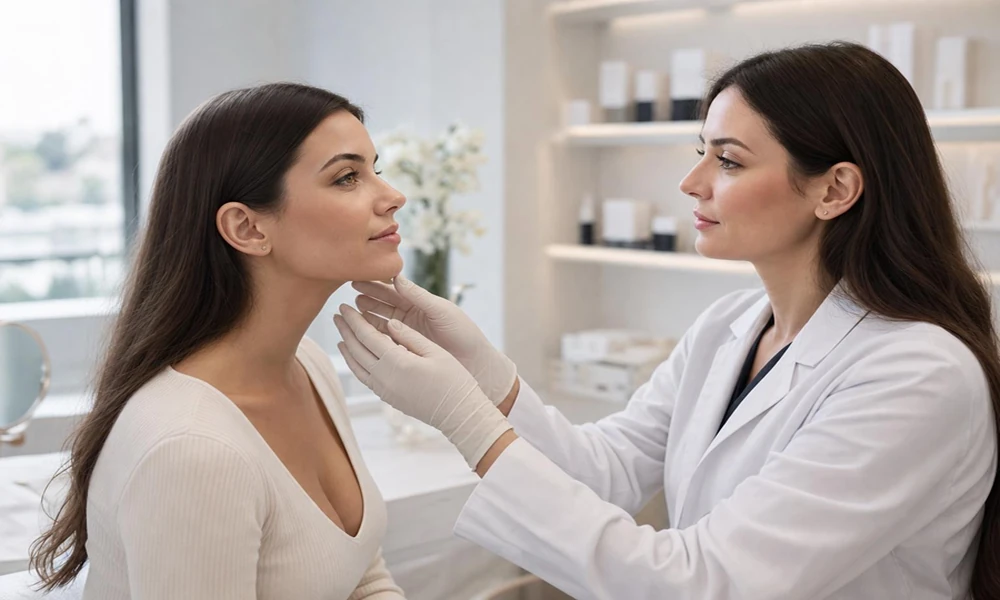
A qualified dermatologist can examine the skin, discuss possible causes, and explain suitable treatment options, including their limitations and potential risks.
For example, someone researching cosmetic dermatology treatments for concerns such as uneven texture, fine lines, or discoloration may encounter options including chemical peels, laser procedures, microneedling, and injectables. However, determining which approach is appropriate requires more than matching a treatment name to a skin concern.
A professional assessment can also reveal when a procedure should be postponed or avoided.
The goal should be an informed decision based on individual needs rather than an assumption that every available treatment is suitable for everyone.
Consider Recovery Time and Your Daily Schedule
One factor people sometimes overlook is how a cosmetic procedure may affect their routine.
Some treatments involve temporary redness or mild irritation, while others can require more substantial recovery. The amount of downtime depends on the procedure, its intensity, and the individual’s response.
Before selecting a treatment, consider your upcoming commitments.
For example, if you have a wedding, an important presentation, or a planned vacation, you may want to avoid scheduling an unfamiliar procedure immediately beforehand.
Ask practical questions such as:
- How long might visible redness, swelling, or peeling last?
- Will I need to change my exercise routine temporarily?
- Are there restrictions involving sunlight or skincare products?
- When can I safely resume my usual activities?
- Could I need more than one treatment session?
These considerations matter because the best treatment on paper may not be the best choice for your current circumstances.
Planning around recovery also gives you space to follow aftercare instructions without unnecessary pressure.
Set Realistic Expectations About Results
Aesthetic procedures can improve certain skin concerns, but no treatment guarantees flawless skin or permanent results.
Some procedures produce gradual changes, while others may offer more noticeable improvements after an appropriate recovery period. Outcomes can vary depending on skin characteristics, treatment selection, and individual healing.
It is helpful to discuss what meaningful improvement would look like for you.
For one person, success might mean a more even-looking complexion. For another, it could mean softening the appearance of specific wrinkles without substantially changing their natural facial expressions.
Ask your provider whether the proposed treatment is intended to improve the concern, reduce its visibility, or manage it over time.
You should also understand whether maintenance procedures may be necessary.
Clear expectations make it easier to evaluate potential benefits alongside cost, discomfort, and recovery requirements.
Prioritize Safety Over Trends and Convenience
Social media can make cosmetic procedures appear quick and effortless. However, a short video rarely explains the full consultation process, possible complications, or the reasons a treatment might be unsuitable for certain individuals.
Before proceeding, verify the credentials and relevant experience of the person performing the procedure.
Ask about potential side effects, available alternatives, and how complications would be managed. It is also reasonable to request examples of realistic outcomes for people with skin characteristics similar to yours.
Avoid making treatment decisions based entirely on discounted pricing, dramatic before-and-after images, or promises of immediate transformation.
Another important consideration is your current skincare routine. Certain active ingredients or products may need to be adjusted before or after a procedure, depending on professional guidance.
A thoughtful treatment plan should account for both the procedure itself and the care required to support recovery.
Conclusion
Choosing a cosmetic skin treatment is a personal decision that deserves careful consideration.
Begin by identifying your primary concern, understanding the available approaches, and evaluating how treatment requirements fit your lifestyle. Professional guidance, realistic expectations, and a clear understanding of potential risks can help you make more informed choices.
Above all, remember that improving your skin’s appearance does not require chasing every new beauty trend. A measured, individualized approach allows you to prioritize skin health while pursuing changes that genuinely matter to you.