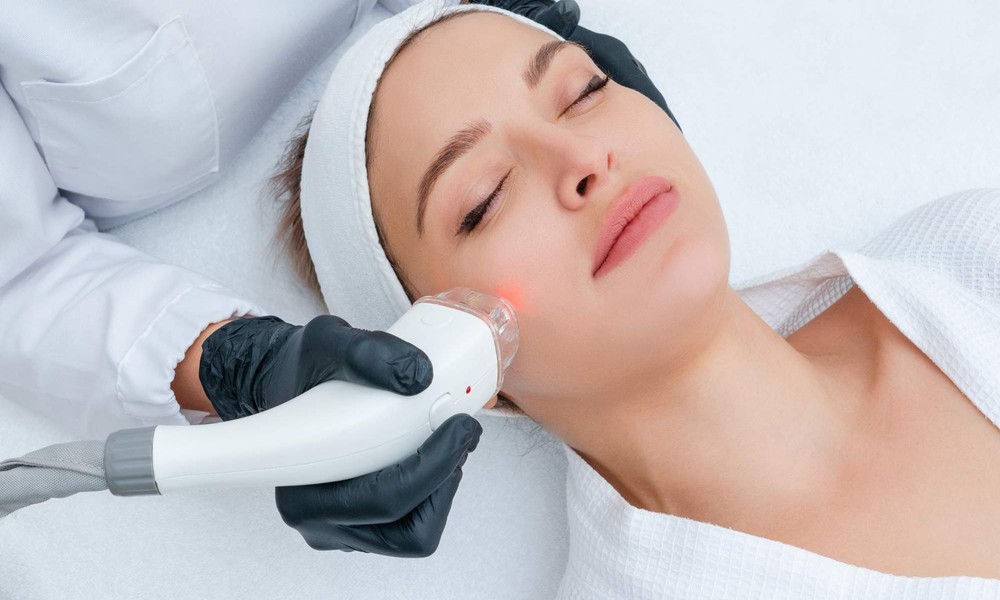
A walk through any modern aesthetic clinic reveals a landscape transformed by beams of highly controlled light. Once seen as futuristic, laser skin rejuvenation has become the gold standard for those chasing a fresher, firmer complexion without the downtime or drama of surgery. Behind every glowing review and before-and-after photo lies a story of relentless innovation.
The Origins of Laser Technology in Skin Rejuvenation
The journey began in the latter half of the twentieth century, when the first medical lasers entered dermatology. Early attempts were effective, but the results often came with a trade-off: significant redness, peeling, and days spent out of the public eye. Patients went in hoping for radiant skin but sometimes faced weeks of recovery.
Early Laser Techniques: From Concept to Clinical Use
CO2 lasers first set the stage. They borrowed their power from the world of surgery, using intense energy to vaporize skin layers and force the body to produce new collagen. The results could be remarkable, but only for those willing to tolerate discomfort and risk potential complications.
Limitations of Initial Laser Treatments and Patient Experience
Pain, pigment changes, and extended healing periods limited how widely these treatments were adopted. Many patients, especially those with darker skin tones, were sidelined, as early lasers could cause undesirable pigmentation shifts. For years, the promise of laser rejuvenation remained out of reach for most people.
Breakthroughs in Laser Technology: Enhancing Precision and Safety
Everything changed with the arrival of fractional lasers. Instead of blasting the entire skin surface, these devices targeted microscopic zones, leaving healthy tissue between treated areas. This subtle pivot drastically reduced downtime and side effects, making laser treatments accessible to a much wider range of skin types.
Introduction of Fractional Lasers and Their Impact
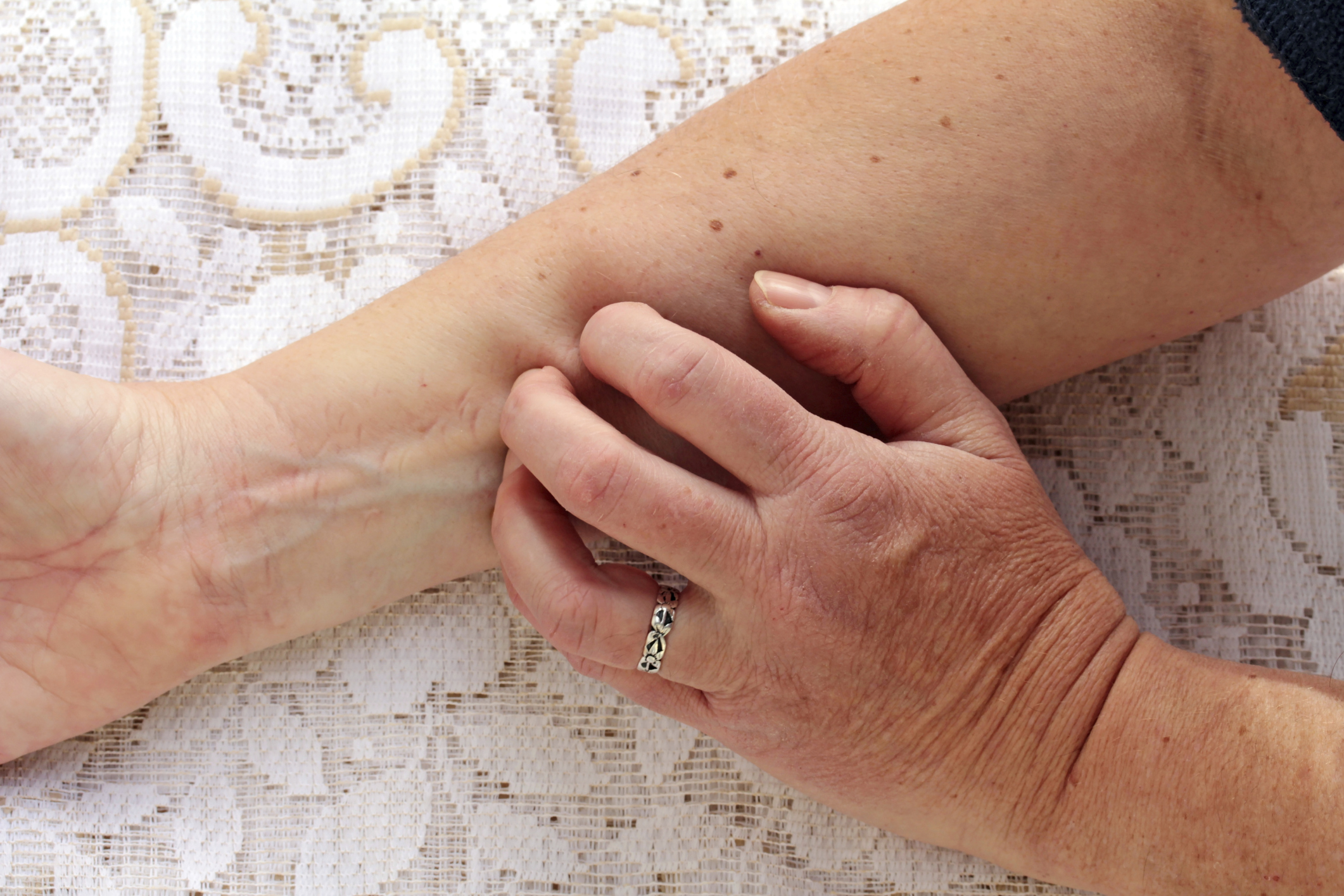
Fractional lasers marked a paradigm shift. By treating only a fraction of the skin at a time, they sparked robust healing while keeping recovery short and minimizing risk. Scars, wrinkles, and sunspots could be tackled with more confidence and less disruption to daily life.
Advances in Laser Wavelengths and Skin Type Compatibility
Technological refinements continued at a rapid pace. New wavelengths, such as the 1927 nm thulium laser, enabled practitioners to fine-tune treatments for specific concerns. These improvements also expanded safety for individuals with diverse skin tones, making exclusion due to risk of pigmentation issues a thing of the past.
Combining Laser with Other Modalities: Microneedling RF and Radiofrequency
In leading clinics, innovation means more than just lasers. Devices now combine microneedling with radiofrequency, or pair different types of lasers for synergistic effects. This multi-layered approach can trigger deeper collagen production, tighten skin, and improve surface texture in a single session.
Cutting-Edge Technologies Revolutionizing Skin Rejuvenation Today
Step inside a sophisticated practice, and you’ll encounter devices that sound like science fiction but deliver measurable results.
The LaserMD Ultra™ 1927 nm: Features and Benefits
This device harnesses the power of a 1927 nm wavelength, ideal for resurfacing and brightening. Its precision makes it suitable for all skin types, targeting pigmentation, fine lines, and uneven tone with far less risk or downtime than older technologies.
The SECRET™ PRO: Synergizing Microneedling RF with CO2 Laser
By combining microneedling’s collagen-boosting prowess with the resurfacing strength of CO2 lasers, the SECRET™ PRO offers a double punch against aging signs. Patients see smoother, firmer, and brighter skin, often with minimal recovery time.
XERF Technology: Multifrequency Radiofrequency for Skin Tightening
XERF takes skin tightening to a new level. By delivering radiofrequency energy at multiple frequencies, it stimulates deep tissue remodeling, resulting in firmer, more youthful skin without invasive procedures.
Integrating Advanced Laser Treatments into Holistic Anti-Aging Approaches
What truly elevates results is integrating these technologies into a comprehensive plan. At clinics like Clinique Anti Aging, expertise goes beyond the device. Treatments are tailored not only to physical signs but also to the patient’s overall wellbeing.
Combining Laser Therapy with Hormone Bio-Identical Replacement Therapy (BHRT)
Addressing aging isn’t just about the surface. By incorporating hormone replacement therapies alongside laser procedures, clinics offer solutions for both visible changes and underlying physiological shifts, like menopause or andropause.
Personalized Protocols: Adapting Treatments for Different Skin Types and Aging Signs
No two complexions are identical. Personalized protocols assess everything from skin type to lifestyle, ensuring that treatments are safe, effective, and truly customized.
Real-World Impact: Patient Experiences and Outcomes
For many, the proof isn’t just in the science, but in the mirror. Patients describe newfound confidence, smoother skin, and blemishes cleared after years of struggle. Testimonials often highlight not only visible improvements but the expertise and care of their clinical team.
Managing Common Skin Issues: Acne, Pigmentation, and Texture Improvement
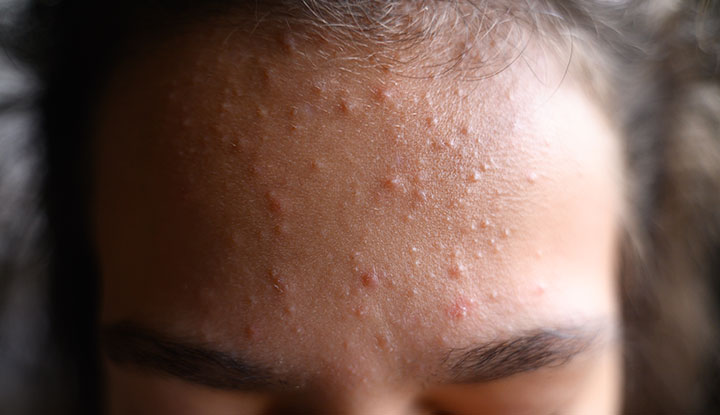
Today’s advanced lasers can tackle stubborn acne, fade dark spots, and refine skin texture in ways that previous generations only dreamed of. Improved results now come with minimal interruption to daily life, making these treatments more attractive than ever.
The Future Trajectory of Laser Technologies in Aesthetic Medicine
So, where does laser rejuvenation go from here? Emerging innovations aim to push recovery times even lower while amplifying results. Customization will continue to improve, making tailored treatments the norm rather than the exception. As accessibility rises, the powerful precision of lasers may soon be within everyone’s grasp.
The next wave of skin innovation isn’t coming. It’s already here, and it’s transforming what’s possible for people seeking to look as vibrant as they feel.