
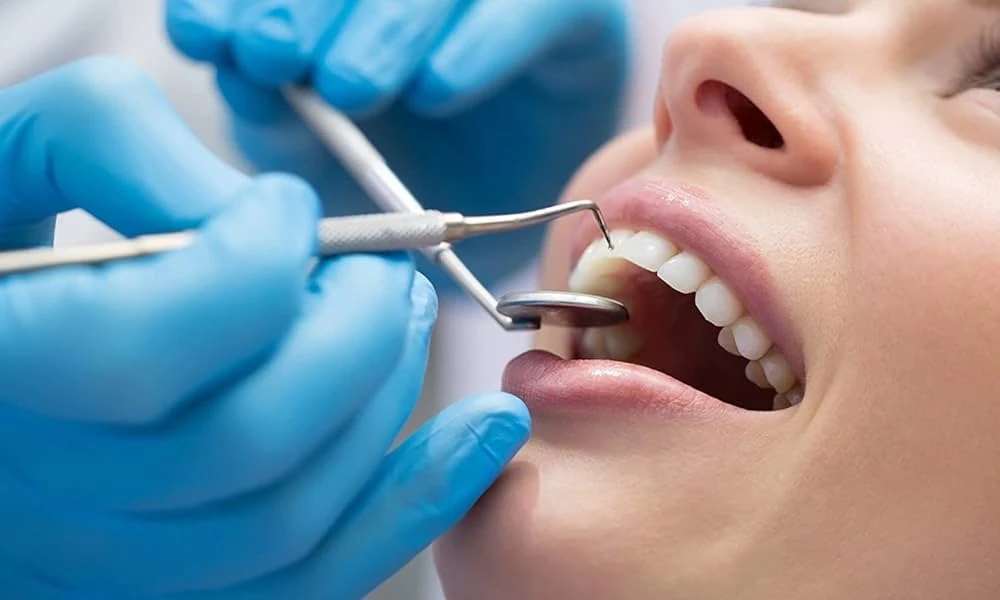
Full mouth restoration is a comprehensive treatment that involves restoring or replacing multiple teeth that are damaged, worn or missing. Dentists do not have a single treatment for every patient, but they are able to use different treatments based on the patient’s oral health, or otherwise. The aim is to return function and make the denture look better and to ensure long-term oral health.
Choosing the right combination of treatments is an important part of planning a successful restoration. Patients considering full mouth restoration hillsboro or may need a personalized approach based on the condition of their teeth, gums, jawbone, bite, and overall oral health. Depending on these factors, a treatment plan may combine restorative, implant, periodontal, and cosmetic procedures to address multiple concerns while working toward improved function and a more natural-looking smile.
Dental Crowns
A dental crown is a covering placed over a tooth that is so weak or broken as to need protection. They can restore the shape, strength and appearance of a tooth. Crowns can be fabricated from various materials including porcelain, ceramic, zirconia or other dental materials. It all depends on the tooth position, requirements for function, and the desired esthetics.
Dental Bridges
Bridges can span a gap created by one or more missing teeth with neighbouring teeth or dental implants. They offer a stable replacement which may lead to better chewing function and restoration of the position of neighbouring teeth. If natural teeth are not a viable option for support, the implant-supported bridge may be an option.
Dental Implants
The purpose of the dental implant is to replace the roots of missing teeth. The implant is sunk into the jaw bone and can be used to support a crown, a dental bridge or a full-arch prosthesis. After tooth loss, implants can keep the jaw bone from deteriorating and can offer stability. Treatment is usually appropriate and involves a period of healing.
Full-Arch Implant Solutions
If you have lost most or all your teeth you might be a candidate for full-arch implant treatment. Several strategically placed implants support the complete fixed arch of replacement teeth, such as All-on-4. This may be an option for patients who are candidates for dentures.
Dentures
Older removable dentures are still an alternative to lost multiple teeth. Complete dentures can replace an entire arch, partial dentures can replace several missing teeth with the remaining teeth supporting them. Dentures are usually removable, and may need adjustment from time to time as the mouth changes throughout the years.
Tooth-Colored Fillings
Tooth-colored fillings can restore function and keep the tooth looking natural with less structural damage or smaller cavities. They can be incorporated into a comprehensive restoration if a few teeth can be saved with no crowns or other extensive restorations.
Gum Treatment
The gums must be healthy for a successful restorative treatment. In some instances, people with gum disease might need additional periodontal therapy prior to the fitting of crowns, bridges, or implants. This care of the gums can help establish a healthy base for ongoing improvements.
The individual will be treated for any bite and occlusion problems.
A full mouth implant restoration may also correct the interdigitation of upper and lower teeth. Excessive wear, grinding or an uneven bite can disrupt the restoration and can lead to discomfort. Restored teeth may be better preserved by using an individualised treatment plan to enhance bite balance in the mouth.
Cosmetic Procedures
Sometimes, cosmetic procedures like veneers or bleaching can be a part of a comprehensive procedure. Within the bounds of good clinical judgment, these techniques can enhance the colour, shape, and smile appearance of teeth.
Conclusion
A full mouth restoration is a combination of various dental procedures used to treat specific functional, structural and aesthetic requirements.