
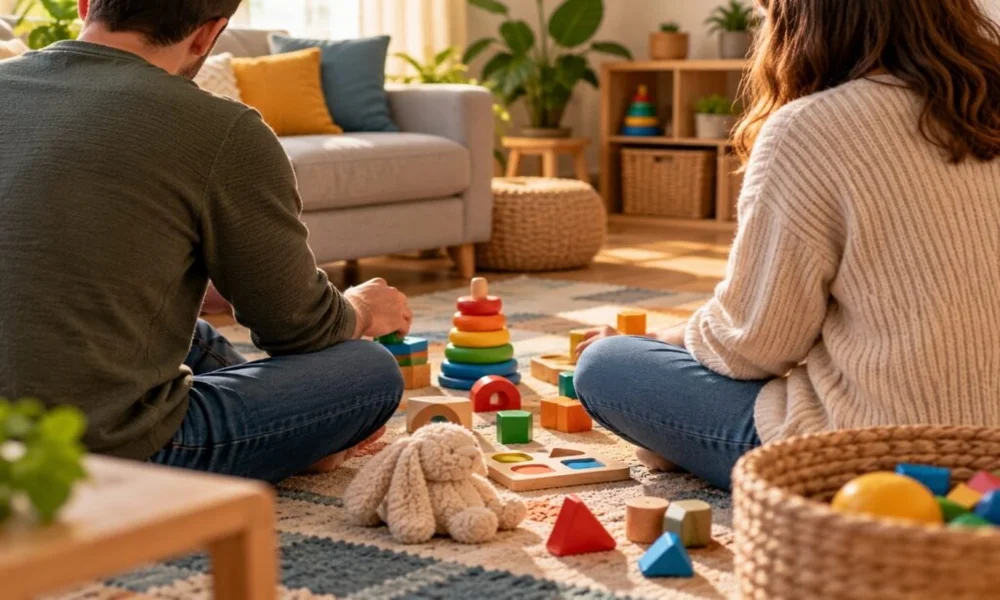
Every parent watches for small signs of growth during the early years. Some children need extra support with speech, play, or social skills. An eip program offers structured help during the age when the brain develops fastest. Sessions usually combine therapy, guided play plus parent coaching. Starting early often makes later learning feel much easier.
Support Begins Before School Age
Early intervention usually serves children from infancy up to about six years old. That window allows skills to build before formal schooling begins.
Diagnosis is not always required before starting support.
Several Specialists Often Work Together
Programmes may include behaviour therapists, speech therapists plus occupational therapists. Each one focuses on a different area of development.
Skills Children Often Practise
Sessions target everyday abilities that help children join family life. These skills appear in many programmes.
- Making eye contact during play or simple conversations.
- Using words or gestures to ask for wanted items.
- Following short instructions given by parents or teachers.
- Taking turns during games played alongside other children.
- Managing feelings when routines suddenly change during the day.
Families choosing an eip program should ask how progress will be measured. Clear goals make each month’s improvement easier to see.
How Parents Stay Involved
Parents play a large part in lasting progress. Therapists usually coach families on simple home strategies.
- Practise new words during meals, baths, or bedtime routines.
- Use visual schedules showing daily activities in clear order.
- Praise small efforts right away to encourage repeated behaviour.
- Share home observations with therapists during weekly meetings.
Consistency between home plus therapy sessions speeds up learning.
| Communication | Using two-word phrases | Speech therapist |
| Behaviour | Reducing tantrums during transitions | Behaviour therapist |
| Motor skills | Holding a crayon correctly | Occupational therapist |
| Social skills | Playing beside other children calmly | Behaviour therapist |
| Self-care | Using a spoon independently | Occupational therapist |
Goals usually stay small so progress feels achievable. Therapists adjust targets as each child develops new skills.
Common Questions and Answers (FAQ)
- What age should early intervention start? As soon as delays are noticed, ideally before age three.
- Does my child need a diagnosis first? Not always; many centres begin with an assessment.
- How many hours are recommended weekly? It varies, often between five and twenty hours.
- Can parents attend sessions? Most centres encourage parents to observe or join.
- How soon will we see progress? Small changes often appear within a few months.
Small Steps Matter
Early years offer a valuable window for building skills. Specialist teams help with speech, behaviour plus movement. Clear goals make progress easier to track. Home practice strengthens what children learn during sessions. Begin early, stay involved, then celebrate each small gain patiently. Inside an EIP Program: Early Intervention, Daily Routines, a Child’s First Years
Every parent watches for small signs of growth during the early years. Some children need extra support with speech, play, or social skills. An eip program offers structured help during the age when the brain develops fastest. Sessions usually combine therapy, guided play plus parent coaching. Starting early often makes later learning feel much easier.
Support Begins Before School Age
Early intervention usually serves children from infancy up to about six years old. That window allows skills to build before formal schooling begins.
Diagnosis is not always required before starting support.
Several Specialists Often Work Together
Programmes may include behaviour therapists, speech therapists plus occupational therapists. Each one focuses on a different area of development.
Skills Children Often Practise
Sessions target everyday abilities that help children join family life. These skills appear in many programmes.
- Making eye contact during play or simple conversations.
- Using words or gestures to ask for wanted items.
- Following short instructions given by parents or teachers.
- Taking turns during games played alongside other children.
- Managing feelings when routines suddenly change during the day.
Families choosing an eip program should ask how progress will be measured. Clear goals make each month’s improvement easier to see.
How Parents Stay Involved
Parents play a large part in lasting progress. Therapists usually coach families on simple home strategies.
- Practise new words during meals, baths, or bedtime routines.
- Use visual schedules showing daily activities in clear order.
- Praise small efforts right away to encourage repeated behaviour.
- Share home observations with therapists during weekly meetings.
Consistency between home plus therapy sessions speeds up learning.
| Communication | Using two-word phrases | Speech therapist |
| Behaviour | Reducing tantrums during transitions | Behaviour therapist |
| Motor skills | Holding a crayon correctly | Occupational therapist |
| Social skills | Playing beside other children calmly | Behaviour therapist |
| Self-care | Using a spoon independently | Occupational therapist |
Goals usually stay small so progress feels achievable. Therapists adjust targets as each child develops new skills.
Common Questions and Answers (FAQ)
- What age should early intervention start? As soon as delays are noticed, ideally before age three.
- Does my child need a diagnosis first? Not always; many centres begin with an assessment.
- How many hours are recommended weekly? It varies, often between five and twenty hours.
- Can parents attend sessions? Most centres encourage parents to observe or join.
- How soon will we see progress? Small changes often appear within a few months.
Small Steps Matter
Early years offer a valuable window for building skills. Specialist teams help with speech, behaviour plus movement. Clear goals make progress easier to track. Home practice strengthens what children learn during sessions. Begin early, stay involved, then celebrate each small gain patiently.