
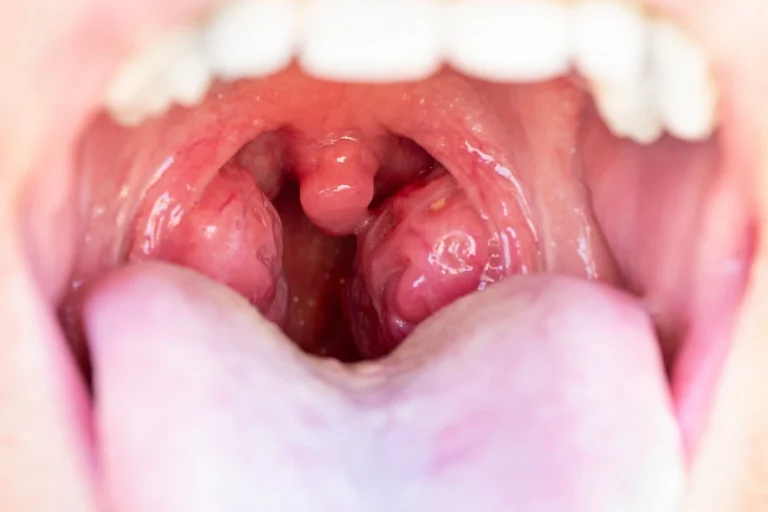
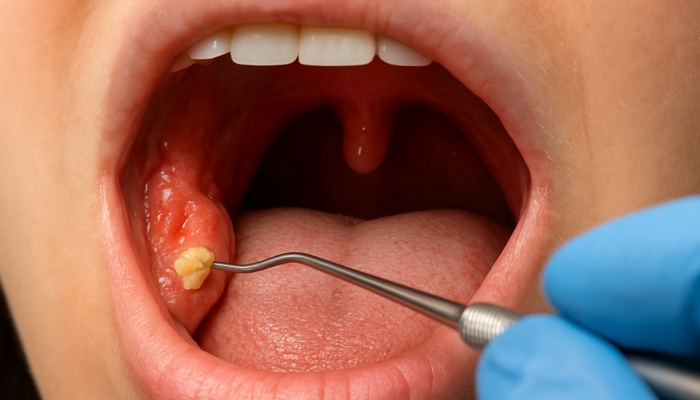
Tonsil stones are small, whitish calcified deposits that form in the crevices of the tonsils. They’re not dangerous, but they’re unpleasant—causing bad breath, a feeling of something stuck in the throat, and occasional discomfort. The good news is that most people can learn how to remove tonsil stones at home using gentle methods like saltwater gargles, cotton swabs, or low-pressure water picks to dislodge them without a trip to the doctor.
The most effective ways to remove tonsil stones at home are vigorous salt water gargling, using a water flosser on the lowest pressure setting, or gently dislodging them with a cotton swab. Many small stones fall out on their own when you cough, eat, or swallow.
Step-by-Step: Home Removal Methods
Method 1 – Salt Water Gargling (Start Here)
This is the safest and most accessible first approach:
- Dissolve 1/2 teaspoon of table salt in a glass of warm water
- Tilt your head back, open your mouth wide
- Gargle vigorously for 30-60 seconds, aiming the water at the back of your throat
- Spit and repeat 2-3 times
- Do this 2-3 times daily when stones are present
The force of gargling can dislodge smaller stones, and the salt solution reduces the bacterial load that contributes to stone formation.
Method 2 – Water Flosser (Most Effective for Visible Stones)
A water flosser (oral irrigator) set to its lowest pressure setting can be aimed directly at the tonsil crypt containing the stone:
- Stand in front of a well-lit mirror
- Set the flosser to minimum pressure – high pressure can injure tonsil tissue
- Angle the stream directly at the stone
- Use brief, gentle pulses of water to dislodge it
- Rinse mouth thoroughly afterward
This method consistently receives the best results from people dealing with recurrent or stubborn tonsil stones.
Method 3 – Cotton Swab (For Visible, Surface Stones)
Only attempt this if the stone is clearly visible:
- Use a damp cotton swab – wet the tip for softness
- Gently press on the tissue just below or beside the stone (not directly on it)
- Apply gentle upward pressure to pop the stone out
- Rinse mouth with salt water afterward
- Use a light source (phone torch) and mirror for visibility
Important: Be very gentle – the tonsils are vascular tissue. If the stone doesn’t come out easily, don’t force it.
Method 4 – Forceful Coughing
Sometimes the simplest approach works. A few strong, directed coughs can dislodge smaller or partially loose stones. This is worth trying before attempting any manual method.
What NOT to Do
| Method | Why to Avoid |
|---|---|
| Sharp or pointed objects (toothpicks, pens) | Serious risk of puncturing tonsil tissue and bleeding |
| High-pressure water flosser | Can cause bruising and damage to tonsils |
| Aggressive finger prodding | Triggers gag reflex; risk of pushing stone deeper |
| Repeatedly squeezing tonsils | Can cause inflammation and worsening |
Preventing Tonsil Stones From Forming
Removal is one thing – stopping them from coming back is the real goal:
| Prevention Strategy | How It Helps |
|---|---|
| Brush teeth and tongue twice daily | Reduces oral bacteria that contribute to stone formation |
| Use an alcohol-free antiseptic mouthwash | Reduces bacterial load in tonsillar crypts |
| Stay well hydrated | Prevents dry mouth; saliva helps clear debris from tonsils |
| Gargle with salt water regularly | Keeps tonsillar crypts cleaner |
| Address post-nasal drip | Mucus dripping onto tonsils is a significant stone-forming material |
| Quit smoking | Smoking reduces saliva flow and increases bacterial load |
When to See a Doctor or ENT
Consider professional evaluation if:
- Tonsil stones keep recurring despite good oral hygiene
- The stone is very large (larger than a pea)
- You have significant throat pain, fever, or swelling
- You notice unusual or growing tissue around the stone area
- Stones are significantly affecting your quality of life
Medical Options for Recurrent Tonsil Stones
| Option | Description |
|---|---|
| Laser tonsil cryptolysis | Laser resurfacing of tonsil crypts to reduce stone-forming crevices |
| Coblation cryptolysis | Radiofrequency technique that smooths out tonsil surface |
| Tonsillectomy | Complete removal – permanent solution for severe cases |
These are not needed for most people but are worth discussing with an ENT if recurrent stones significantly affect your life.
Bottom Line
Most tonsil stones can be safely removed at home with salt water gargling, a low-pressure water flosser, or careful use of a cotton swab. The key is gentleness – tonsil tissue is delicate and bleeds easily when irritated. Prevention through consistent oral hygiene and hydration reduces how often they form. If they keep coming back despite your best efforts, an ENT consultation and cryptolysis or tonsillectomy can offer a more permanent resolution.